Say Chief...
How Do You Think Your Mayor and Council Would React Today If You Had An Ugly (but Reasonable) Use of Force In The News?
...do you have a plan to change that?
(Most Agencies Don't.)
The Complex Incident Protocol prepares your mayor, council, and city manager before a viral use of force incident — so when one happens, they are not misled by a video.
The Problem:
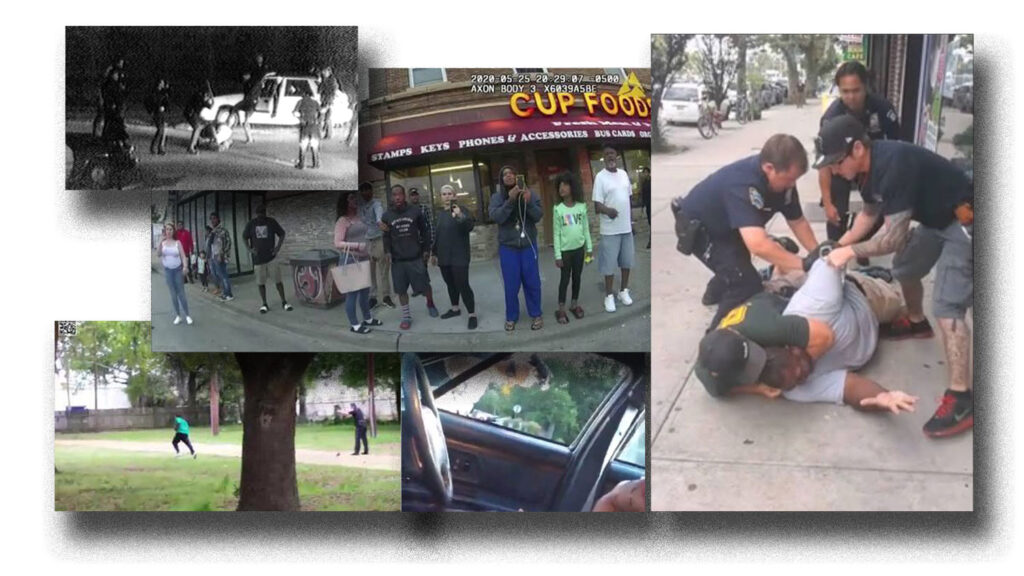
Rodney King was 35 years ago, yet most agencies are unaware of the simple and specific steps they can take to avoid crisis caused by a citizen with a cellphone recording a use of force.
There is a simple, quick fix:
The Complex Incident Protocol

Is a step-by-step blueprint for building a pre-crisis training plan BEFORE a controversial use of force incident.
Without a Plan You Can Expect:
• A strained relationship with city hall over a use of force in their agency.
• Mayors, Council Members and City Managers forming opinions about force on their own...with no training.
• Forced retirement over the tension or a loss of confidence.
The Goal Of The Complex Incident Protocol Is:
✅ Educate your politicians, city management and community leaders before a use of force incident
✅ Teach them use of force & force investigations are far more complicated than watching a video
✅ Lower the conflict between you, your agency and City Hall during a critical incident
✅ Avoid a political rush to judgement

1000+
28
2000+
14
Danny was a patrol officer, K9 Handler (Patrol, Narcotics, SWAT), Street Crimes Detective, In-Service Training Officer, and Force Investigator in the Las Vegas area.
After the Department of Justice tried to indict an officer based on a video alone, and the Chief he admired was force to resign over it, he developed expertise of differentiating true unreasonable force from reasonable force that looks bad.
How The Training Program Works:
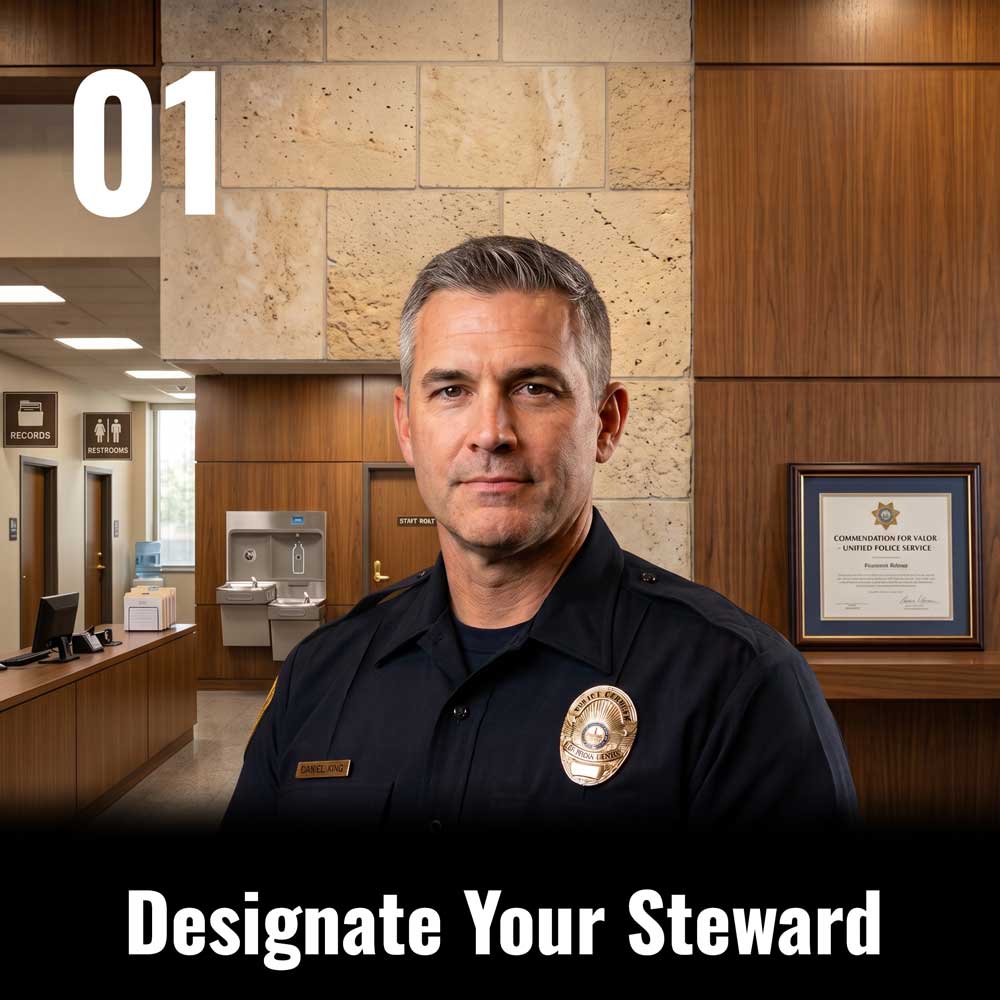
Pick your person to run the program, and we'll spend two days with them (online) covering the information they need to implement the program.
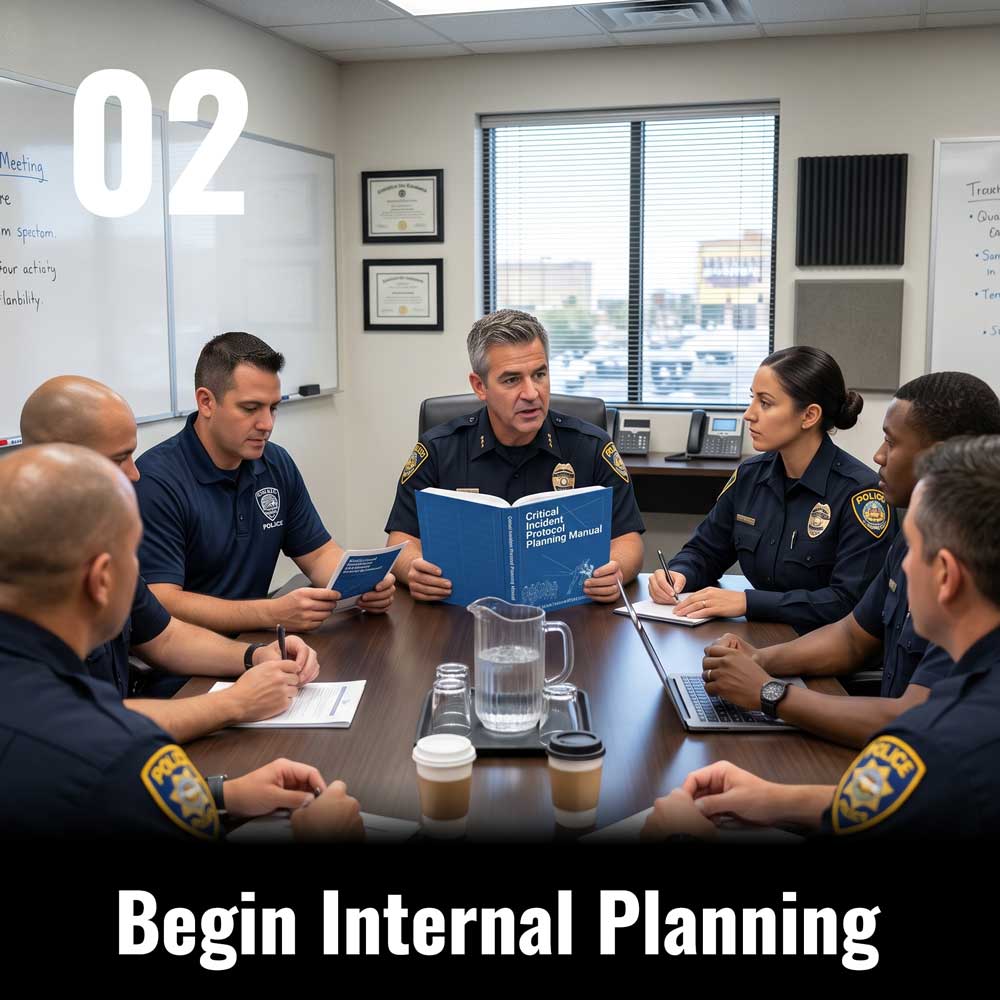
Your steward guides your key stakeholders and agency through the internal planning process, and finalizes the protocol. Your protocol is customized to your agency.

Key leaders inside your government, the media and in the community are briefed on the realities of Critical Incidents long before they happen in your community.
Customized To Your Agency:
Your Complex Incident Protocol is customized to your agency by your steward during the 2-day Quick Start.
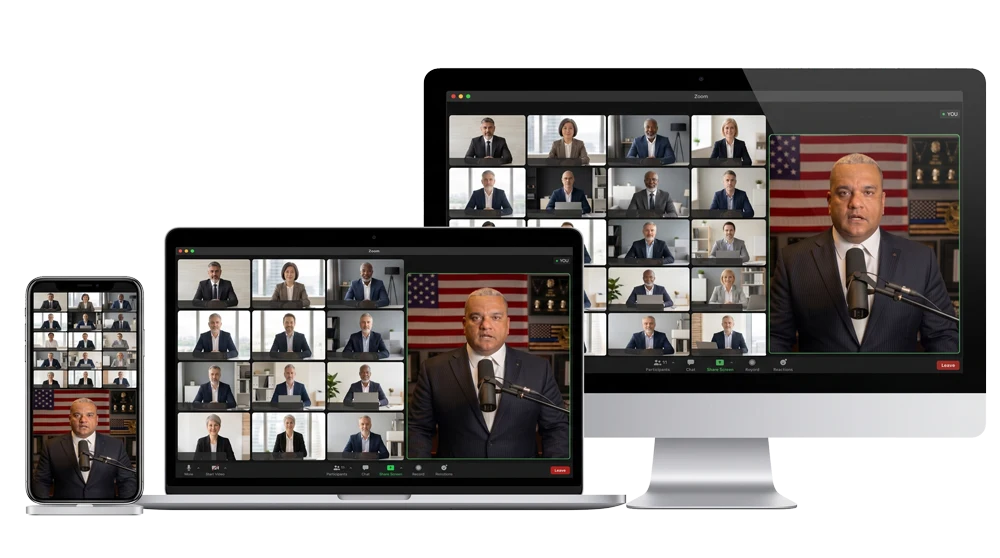
2-Day Quick Start:
•Limited Space: only 12 people per class keeps the class interactive & moving
• Customized To Your Agency: Your program will be based on your operations and policy
•Focuses on Controversy: Your steward will learn what type of incidents become controversial
No More Hoping and Praying That It Doesn't Happen To You:
Frequently Asked Questions
How is this different from a critical incident?
In a nutshell, a complex incident is a publicly captured incident that appears to be excessive force and has instantly caused public outcry. This could be anything from a low-level use of force to deadly force.
It differs because of the immediacy and intensity of the public outcry. Most critical incidents are generally contained to the location they occurred at, with little to no public outcry.
The goal of the Complex Incident Protocol is largely administrative — designed to stem the flow of unchecked, emotional contagion within the government and to community members.
Can't I direct my people to implement this without your training?
Yes. And whether you train with me or not, I'd suggest that you do — and quickly.
My program is built on successfully implemented programs and a decade of dealing with controversy in force. I take the most common misunderstandings in force and teach people about them before the incidents happen.
Who actually does the work?
You pick one steward — usually a passionate, knowledgeable presenter in use of force. We train them in two days. They lead your stakeholders through the build, and we stay involved.
You're not building it from scratch or becoming the instructor.
How much of my time and my command's time does this take?
The Complex Incident Protocol takes little of your time — most of the heavy lifting is done by your steward. The core is a 2-day Fast Start, run through your steward; we do the heavy lifting, so your command isn't pulled off the job for weeks.
Your portion is done online and at your own pace, and mostly consists of understanding what makes force complex — to a degree few people do.
Once your steward has built your program, you approve it. From there, he begins the pre-incident briefings. There are some you'll want to make time for, such as the briefings with the mayor and council members.
What do we walk away with?
A finished Complex Incident Protocol customized to your agency — the plan, a role sheet for each stakeholder, and a trained steward who can run it. Yours to keep.
At the start, your steward is given a semi-built presentation and an implementation guide. The protocol has a core presentation — the specific information people need to know about use of force, the law, body cameras, force investigations, and your agency's process.
It also includes supplemental presentations, each specific to council members, legal staff, public information officers, and community members. Your steward presents the core presentation, plus the relevant supplement, to help your stakeholders understand why completely reasonable force can appear excessive based on the video alone.
What if my mayor, council, or city manager won't participate?
Getting them in the room is part of what we build — the protocol is designed so taking part is clearly in their interest.
The system is built, in good faith, to help educate them to fulfill their civic duty. Ultimately, if they don't want a greater understanding, you can't force them — but you did try to help them.
What if an incident happens before we finish the rollout?
Even a partial rollout puts you ahead of where you are now, and the Fast Start stands up the core fast — you're not waiting months to be covered.
The ideal is to do this as rapidly as possible, before an incident occurs, so you can walk your stakeholders through what they already know about force when a complex incident happens.
But if a complex incident occurs before people are briefed, you still have a pre-approved briefing ready to go that can educate your stakeholders as soon as time permits. Before you brief someone after an incident, review the presentation and decide what, if any, information you want to release. Chances are, if a stakeholder has a question about force, it's already written into your pre-approved briefing.
Why such a small cohort?
We have to move fast in this class because of how much we cover, and your briefings take time to customize to your agency — so we keep the group small.
If you're not prepared to register today, make sure you get put on the standby list.
Is my agency the right size for this?
The answer is likely yes — and here's why: if your officers do police work, and stop or arrest citizens, the potential for controversy exists.
At its core, that's what the protocol is for: to internally educate key leaders in your government before a complex incident occurs. No agency is too small for that.
What does it cost?
$2,795 per agency.
Do you guarantee it?
I promise to work with your steward to complete your customized protocol. Your steward must (1) attend both training sessions, (2) be an experienced law enforcement officer, (3) understand use of force, and (4) be an experienced presenter.
If your steward is unable to finish the program, a new steward can be slotted for an upcoming cohort.
I do not promise to predict or prevent the next incident — no one can.